Until then let me tell you about my new phone. 2017 is turning out to be my busiest year. So much so I made a big decision ... I need to get a new mobile phone.
I can explain my decision by showing you a picture of my previous phone... a Nokia E5.

My Nokia E5
(excuse the tiger wallpaper)
Purchased from the Carphone Warehouse in December 2010 this phone has served me well. At the time I bought it touchscreen-based smartphones were still relatively new, so they were still phones physical keypads and keyboards (like Blackberrys and my old Nokia) on sale. I wanted a phone with keyboard, as I found texting with a traditional keypad annoying. It also had a 5 megapixel camera (which I have used a lot, because you only need a minimum of 4 megapixels for print quality images) and had internet connectivity through 3G.
Some of you may be asking why didn't I upgrade earlier? I mean, I bought it in 2010. Why didn't I get a new phone until 2017? The answer is simple.... Do you know what goes into making such devices? Have you ever taken one apart and seen all that plastic and exotic metals?

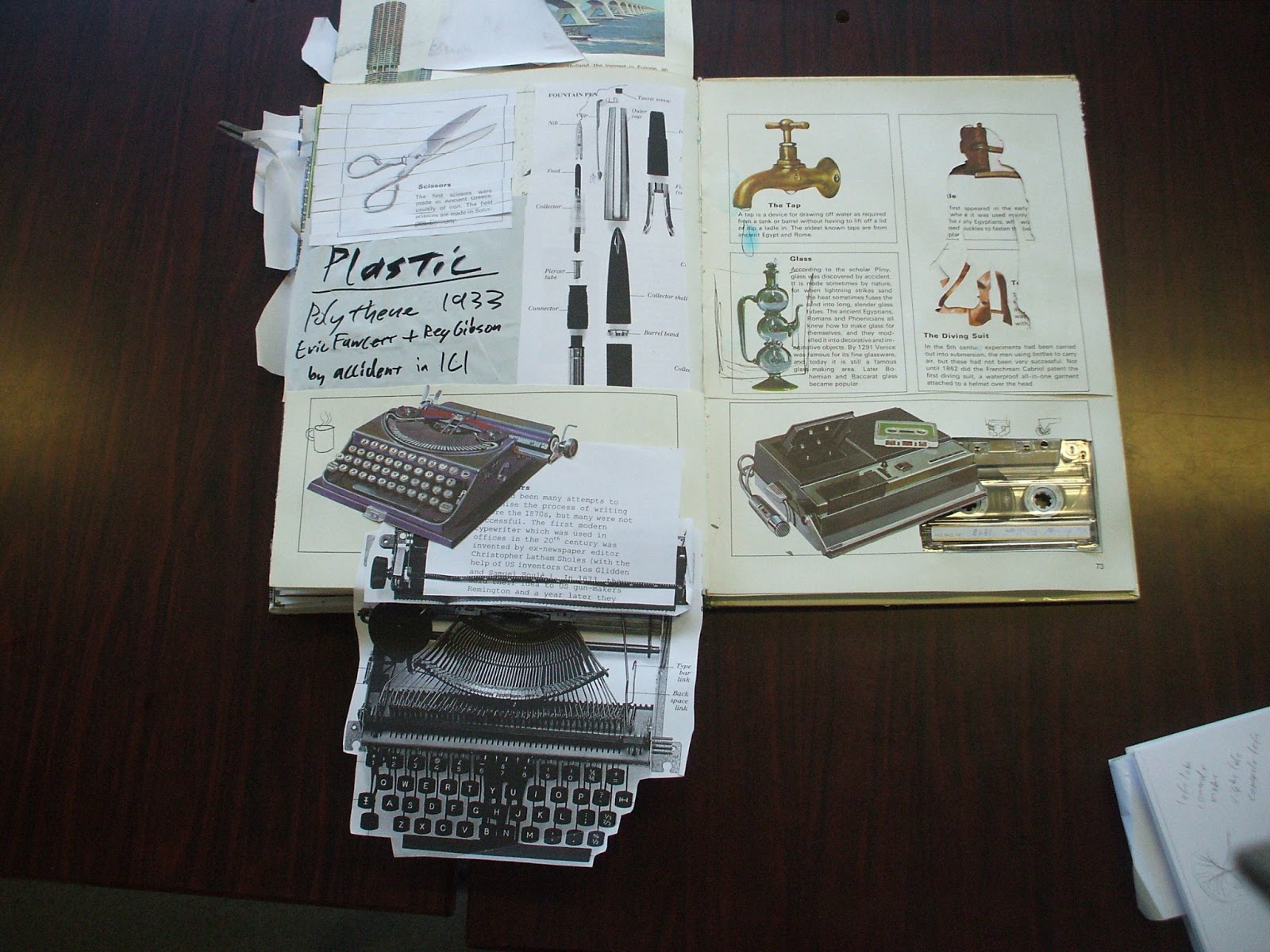
Blackberry Curve 8520 tear-down
from Visual Dictionary (2011)
Making a phone requires a lot of energy and a number of materials from all over the world, including lithium for its battery. They are (basically) nearly inseparable "toxic" piles of gold and silver leaf. And it doesn't help that many are made to have a lifespan of just a year or so (if you could afford to buy the latest model every year or so).
According to this article, if I had thrown away my Nokia when most people would have done, I would have added a few extra grams to the 1.3 million tonne British share of the 48.9 million tonnes of e-waste that was generated worldwide in 2012. (And it said that this will increase by over 60 tonnes by 2017).
I am not most people. I have kept my phone going as long as possible. Although it was dropped a couple of times in its life it still worked (even with a crack in one corner of the casing).
However, this year proved to the point that it was time to upgrade. You see the Nokia was able to access the web wirelessly and I was able to use that function for a year or so after buying it.... until it stopped doing so and gave the excuse of "insufficient memory." I didn't know at the time that my Nokia only had 256 MB of RAM. This amount of RAM was typical for a phone at the time, but if I knew at the time, I would have been disappointed, because (at the same time) the RAM in laptops were in the Gigabytes! 256 MB was considered "a lot" in desktop computers in the year 2000. My phone had the same amount of memory as a high-spec Power Mac G4 from 2000. I know some of you will not have encountered this problem with your phones at the time, but many did. The many who quickly loaded them with apps and media. Although I didn't do this with my phone, the functions I used on it (web serving, GPS, a few word docs and the occasional YouTube clip (in the first year at least) used up a lot of meg. By 2013 I was no longer able to serve the web or use GPS on it, due to "insufficient memory." After that, the only things I was using my Nokia for were to call, text, note down what manga and movies I bought and take pictures. This was okay... until now.
As my work for NAS involves a lot of e-mailing and travelling about it was become more apparent that I needed access to e-mail on the go. And the only way I could do that was by getting a new phone.
I was hesitant to do so to begin with, because phones with keyboards have disappeared. Almost all phones now have touchscreens. Could I get use to using a touch screen to type text? Turns out I could. After all, I have had a tablet for a while now.
So I saved up a bit of dole and (last week) looked around a Carphone Warehouse, inquired about transitioning my SIM card from a 3G to a 4G device (turns out you can without changing your pay as you go deal), and bought my self a new touchscreen smart phone - a Samsung Galaxy A5.
My tablet was a Samsung, so a friend suggested that I should get a Samsung so I could pair them up. But I know some of you are going to point out the battery problem their Galaxy Note 7 was having last year. Am I worried about it happening to my phone? No, because its an A5, not a Note 7. Also, the similar sounding S7 model cost over £500! (the A5 only cost about £350. I had the money to go that far.)
Why I choose the A5 (apart from the price)? It's not because it has a 16 megapixels camera (front and back). Its not because of its Octa-Core 1.9 GHz processor. And its not because of its 256 GB of internal storage (which is great). What really sold it to me was this - it has 3 GB of RAM! That's more than enough for a PC to be able to edit video. As our wireless networks improve (and our web pages take up as much memory as Doom!) our phones need such RAM to cope with our web habits. And by buying the A5, I have insured myself for the next couple of years.
I was wise to wait until now to buy a touchscreen smart phone. The smart don't buy new tech when its brand new. they wait a while until the early kinks are worked out and the price drops.
When Apple introduced the first iPhone back in 2007 it was unlike any mobile phone on the market. It set the template for future phones. But it wasn't perfect. It's processor was under-clocked to less than half a Gigahert. It only had a rare-facing 2 megapixel camera. It had only 128 MB of RAM, a 3.5-in screen with 320×480 resolution and no 3G connectivity (you were highly dependent on Wi-Fi, as 2G was never going to cut it). Plus the screen got scratched and broken easily, the battery was crap and there was no app store (until a year later). And all that originally retailed for $599 (which was later dropped to $399 angering people who bought it earlier).
Almost ten years later phones (including my Samsung) are way better now. The screen is made of tougher stuff, Batteries can last a day (if you are a light user) and when you need a charge they are now many ways to do so, even without wires. Cameras with over 10 megapixels are the norm. We can now watch movies in HD on them without the use of Wi-Fi (depending where you are). And it will continue to get better.
But, for now, my Samsung Galaxy A5 will do me fine. For the past week I have been getting use to using it. And boy I have found it very useful indeed. Thanks to this phone I can access my e-mail and Facebook without using my laptop! But I'll still use my laptop regularly, as typing long blog posts (like this one) are a strain on the fingers if you use a small touchscreen.
Wow! This post turned out longer than expected. And I included pictures as well. Excellent. I'm on a roll!